Oklahoma Advances Toward Stricter Oversight of Dual-Currency Sweepstakes Casinos
Written by Riley Powell · Oct 16, 2026

Oklahoma Advances Toward Stricter Oversight of Dual-Currency Sweepstakes Casinos
State officials in Oklahoma stand weeks away from implementing tighter rules on dual-currency sweepstakes casinos, a development that places the state among several others moving in the same direction during October 2026. The approach forms part of coordinated efforts across multiple jurisdictions to address platforms that combine virtual currency mechanics with real-money prize options. Reports from industry observers highlight how these platforms operate under sweepstakes models that have drawn increased scrutiny from regulators seeking clearer boundaries between legal promotions and unlicensed gambling activities.
Background on the Regulatory Move
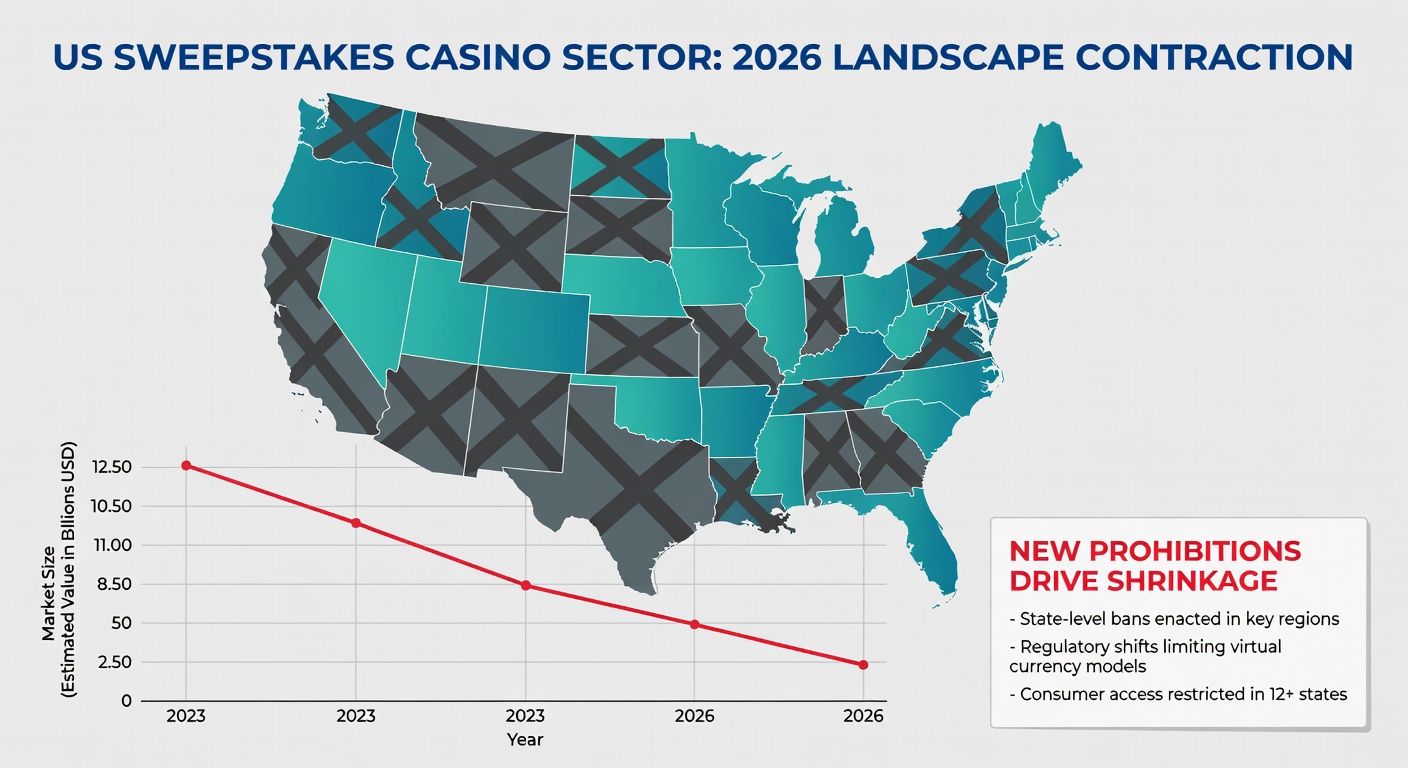
Legislative and administrative steps in Oklahoma target operators who rely on dual-currency systems where players purchase gold coins for standard play while receiving sweeps coins that convert into cash prizes. These structures have existed in various forms across the United States, yet enforcement patterns have shifted as states examine compliance with existing gaming statutes. Data from state gaming reports shows that similar restrictions took effect in at least four other jurisdictions earlier in 2026, creating a template that Oklahoma authorities now appear prepared to follow.
Industry analysts note the timing aligns with broader national discussions about consumer protection standards and tax reporting requirements for sweepstakes-style sites. Officials have referenced ongoing legal reviews that question whether certain prize redemption features cross into regulated gambling territory under state law. The process involves updates to licensing criteria, advertising guidelines, and verification protocols for user accounts that hold both currency types.
Patterns Across Other States
Comparable actions in neighboring and distant states provide context for Oklahoma's trajectory. Regulators in those locations introduced measures that limit how sweeps currency can be promoted, require enhanced age verification, and mandate clearer separation between free-play and paid-entry mechanics. Figures released by state gaming commissions indicate a measurable decline in active dual-currency platforms following enforcement announcements, with some operators electing to exit markets rather than restructure their offerings.
One case involved a midwestern state that enacted prohibitions on specific marketing language tied to cash prize potential. Another southern jurisdiction focused on payment processing restrictions that affected how users could fund sweeps coin balances. These examples demonstrate a consistent regulatory direction even as implementation details vary by location. Observers point to shared concerns around responsible gaming disclosures and financial transaction monitoring as common threads across the different policies.
Industry Adjustments Underway
Operators active in the sweepstakes space have begun reviewing their Oklahoma-facing strategies in anticipation of the new framework. Some have adjusted user interfaces to emphasize free-entry methods while de-emphasizing direct purchase options for sweeps currency. Others explore partnerships with licensed entities or shift focus toward states where dual-currency models remain less restricted. Trade publications document how companies track legislative calendars and prepare compliance teams for potential audits once rules take effect.
Payment processors and affiliate networks connected to these platforms also monitor developments closely. Changes in one state frequently influence how traffic and transactions route across the national market. Evidence from earlier state-level shifts reveals that operators often consolidate resources into fewer jurisdictions or pivot toward alternative promotional formats that avoid dual-currency structures altogether.
Legal and Enforcement Context
The moves in Oklahoma occur alongside federal-level discussions about uniform standards for internet-based sweepstakes promotions. Court cases in multiple districts have examined whether certain prize mechanisms qualify as illegal lotteries under state definitions, creating precedent that influences administrative decisions. According to summaries published by gaming law research centers, outcomes have varied yet contributed to a patchwork of rules that operators must navigate on a state-by-state basis.
State attorneys general have coordinated information sharing on enforcement priorities, which accelerates the spread of similar policies. Oklahoma's timeline places it among the later adopters in the current wave, allowing officials to reference experiences from earlier states when drafting final language. This sequencing reduces some uncertainty for businesses while still advancing the overall tightening trend.
Conclusion
Oklahoma's upcoming measures reflect the continuation of a national pattern aimed at dual-currency sweepstakes casinos. The developments follow actions taken elsewhere and align with broader efforts to clarify regulatory boundaries around these platforms. Stakeholders across the sector continue to track implementation details as the effective date approaches in the coming weeks.