Linking Social Platform Trends to Structured Content Outlines for Regulated Gambling Promotions
Written by Rafael Koch · Sep 4, 2026
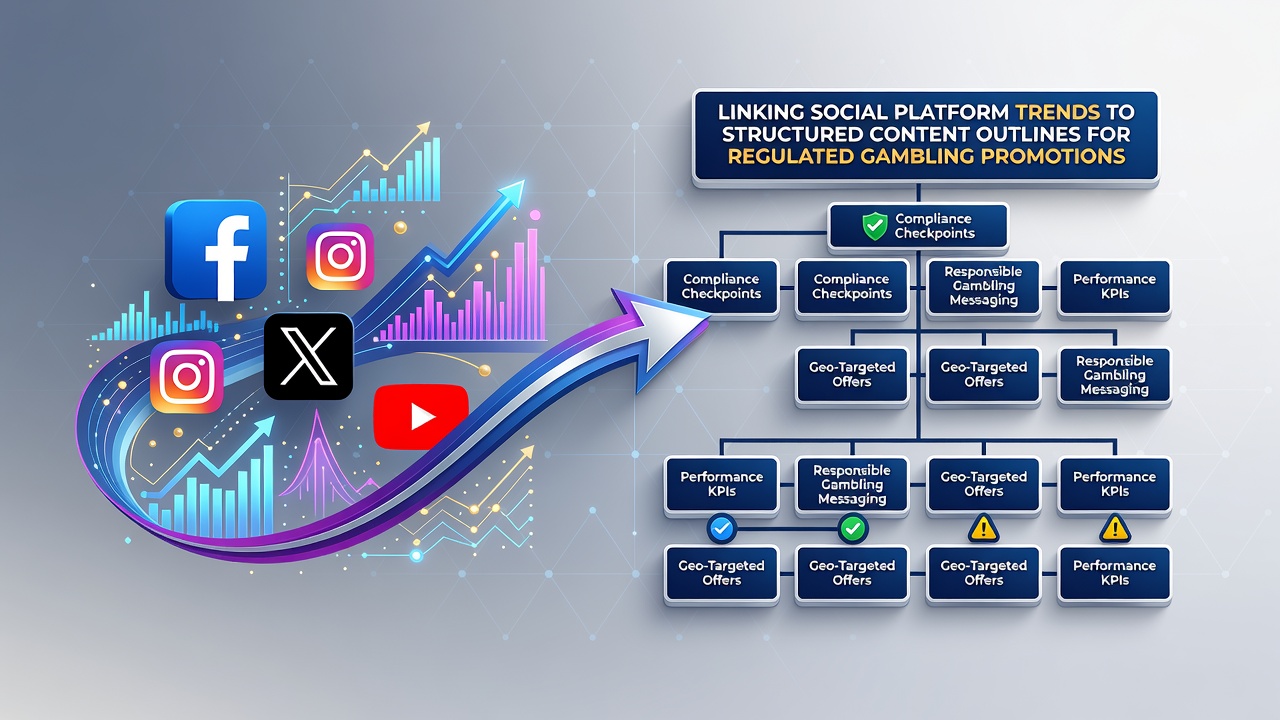
Linking Social Platform Trends to Structured Content Outlines for Regulated Gambling Promotions
Platform algorithms shift rapidly, and operators in regulated markets connect those movements directly to the way they build content outlines for promotions, which keeps messaging aligned with both audience behavior and compliance rules. Data from short video platforms and microblogging sites reveals patterns in engagement timing, hashtag usage, and visual formats that teams then translate into modular outline structures.
Tracking Platform Signals Across Regions
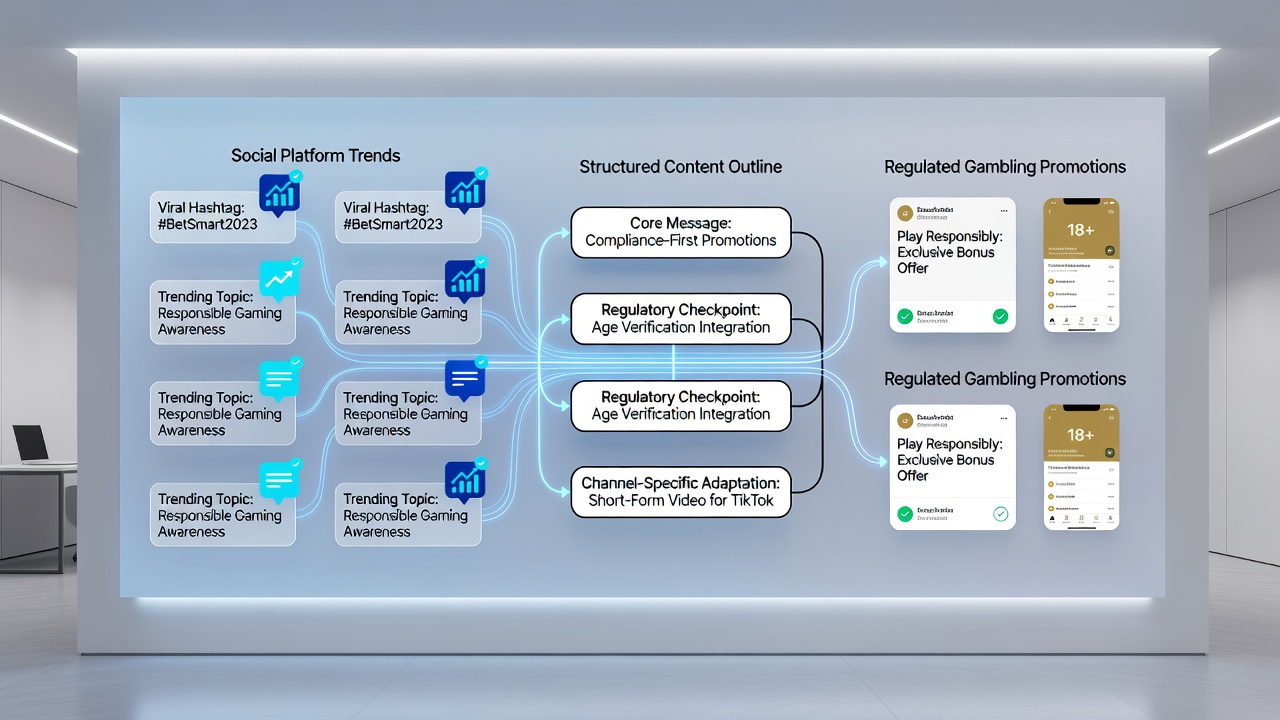
Observers note that in September 2026, TikTok and Instagram Reels showed increased dwell time on short educational clips about game mechanics, while X posts featuring user-generated win stories gained traction in markets with strict advertising codes. These signals feed into outline templates that break promotional content into compliant segments such as age verification prompts, responsible gaming disclaimers, and jurisdiction-specific terms.
Analysts at the American Gaming Association have documented how operators map these platform metrics to fixed content blocks, allowing teams to swap regional regulatory language without rebuilding entire campaigns. The process relies on shared data schemas that flag trending audio tracks or visual styles before they reach peak saturation.
Constructing Modular Outline Frameworks
Structured outlines typically start with a trend ingestion layer that pulls performance data from platform APIs, followed by a compliance mapping layer that cross-references each element against current gaming regulations in target jurisdictions. Content creators then populate the framework with localized examples, case studies, and calls to action that have already passed legal review.
This approach reduces revision cycles because the outline already contains pre-approved phrasing for different regulatory environments. Teams working across multiple states or provinces can generate variations from a single master structure while maintaining consistency in tone and factual accuracy.
Aligning Trends with Regulatory Boundaries
Regulators in New Jersey and Ontario have issued guidance documents that emphasize clear separation between promotional material and gameplay mechanics, and operators respond by embedding these requirements into their outline templates at the section level. When a new visual trend emerges on a social platform, the template automatically routes that element through a review gate before deployment.
Research from the Gambling Research Exchange Ontario indicates that organizations using trend-linked outlines experience fewer compliance queries because disclaimers and risk disclosures appear in consistent positions across every asset. The structure also supports rapid updates when platform policies change, such as new labeling rules for sponsored content.
Case Examples from Licensed Markets
One operator in Atlantic City integrated trending Reel formats into its promotion calendar by assigning each format a corresponding outline slot that already included required disclosures. The result was a library of reusable modules that could be adapted for different game verticals while preserving the original compliance checks. Similar workflows appear in Australian jurisdictions where state-level advertising standards require specific wording on every promotional post.
Those who manage multi-market campaigns often maintain a central trend dashboard that feeds directly into the outline system, allowing simultaneous updates across regions when a platform alters its recommendation algorithm or content policy.
Conclusion
Linking live social platform data to structured content outlines creates a repeatable process that supports both creative responsiveness and regulatory adherence in gambling promotions. Operators continue to refine these connections as platform features and regional rules evolve, with September 2026 serving as one recent benchmark for observed shifts in engagement patterns. The method relies on clear data flows, pre-approved modular sections, and ongoing monitoring rather than ad-hoc adjustments.